
Ever wonder if splurging on new windows actually pays off, or is it just a pricey makeover? We looked at the numbers. Across ten window-replacement options, the average return on investment (ROI) clusters around 65%. But which factors make the biggest difference? In this guide, we break down 11 key factors that influence your window replacement return on investment, from the material you choose to the installer you hire. By the end, you’ll know exactly what to look for to get the best bang for your buck.
Table of Contents
- 1. Vinyl Replacement Windows , Maximize ROI on a Budget
- 2. Wood Replacement Windows , Timeless Value and Resale Appeal
- 3. Fiberglass Replacement Windows , Energy Efficiency and Durability
- 4. Energy Star, Certified Windows , Lower Utility Bills Year-Round
- 5. Triple-Pane Windows , Superior Noise Reduction and Insulation
- 6. Low-E Glass Coatings , Protect Your Home and Furnishings
- 7. Professional Installation , The Key to Realizing Your ROI
- 8. Regional Climate Considerations , Tailoring Windows to Your Area
- 9. Financing, Rebates, and Tax Credits , Making ROI Affordable
- 10. Modern Security Features , Peace of Mind and Insurance Savings
- 11. Aesthetic Upgrades , Curb Appeal and Emotional Returns
- How to Choose the Right Window for Maximum ROI
- Frequently Asked Questions
- Conclusion
1. Vinyl Replacement Windows , Maximize ROI on a Budget
Vinyl windows are the most popular choice for homeowners who want a solid return without breaking the bank. According to industry data, vinyl replacements offer an estimated ROI between 67% and 73%, with costs ranging from $6,000 to $21,000 for a typical home. That’s a strong payback, especially when you consider the energy savings.
Why do vinyl windows perform so well? They’re affordable, low-maintenance, and energy-efficient. Modern vinyl frames are filled with insulation and paired with double-pane Low-E glass. This combination cuts heat transfer and lowers your utility bills. The U.S. Department of Energy estimates that replacing single-pane windows with Energy Star, certified ones can save you 12% to 15% on energy costs annually.
But there’s a catch: not all vinyl windows are equal. Cheap vinyl can warp or fade in intense sun. At Prescott Window and Door, we carry premium virgin vinyl windows that stand up to Arizona’s UV rays. Our customers tell us, “We got excellent windows and we didn’t have to pay an arm and a leg for them.” That’s the sweet spot, high ROI without high anxiety.
Key takeaway: If you plan to sell in 5, 10 years, vinyl is your best bet. You’ll recoup most of the cost at resale, plus enjoy lower bills in the meantime. For a free estimate on quality vinyl replacements, check out our window selection.
2. Wood Replacement Windows , Timeless Value and Resale Appeal
Wood windows have a classic look that many buyers love. But how does the window replacement return on investment compare? Market data shows wood windows deliver an ROI around 61%, a bit lower than vinyl, mainly because they cost more upfront. Expect to pay $15,000 to $30,000+ for a full wood replacement job.
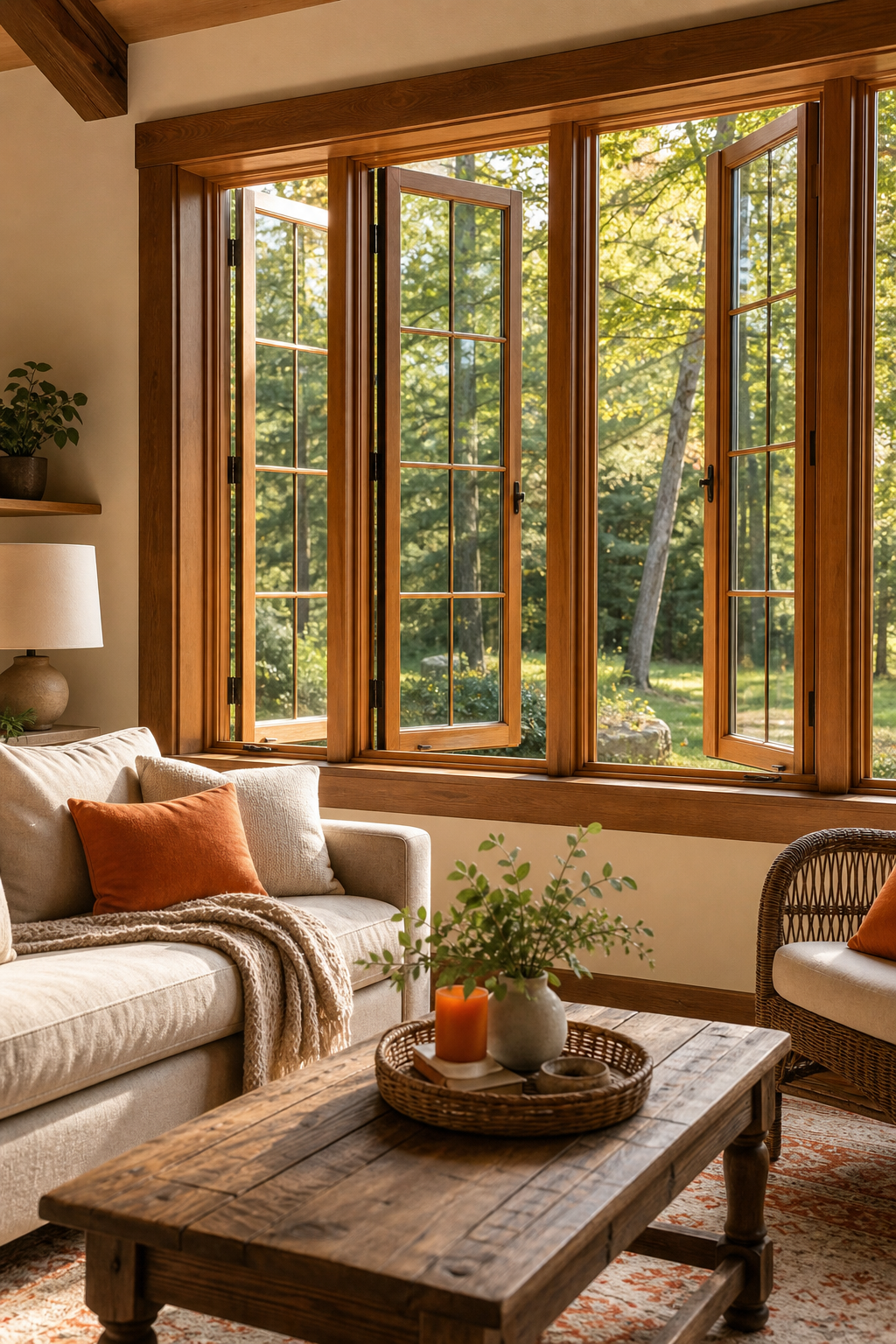 Despite the higher cost, wood windows hold strong resale value, especially in upscale neighborhoods. According to real estate market data, high-end wood windows can recoup up to 63% of their cost at sale. The key is proper maintenance: wood frames need repainting or refinishing every few years, especially in dry climates like Prescott.
If you love the look of wood but want less upkeep, consider wood-clad windows (wood interior, durable exterior). Prescott Window and Door offers both solid wood and wood-clad options from trusted manufacturers. We can help you balance aesthetics with ROI. Remember, a beautiful window that lasts 30 years can still be a smart investment, especially if you plan to stay in your home.
Pro Tip: Pair wood windows with energy-efficient glass to boost both comfort and return. Even with lower ROI than vinyl, wood windows can increase home value by 2, 3% if they align with your home’s architectural style.
3. Fiberglass Replacement Windows , Energy Efficiency and Durability
Fiberglass windows are relative newcomers, but they’re gaining ground fast. They offer excellent energy performance and durability, with an installed cost between $500 and $1,500 per window according to industry data. While ROI data is still sparse, fiberglass windows typically recoup 60–70% at sale (based on industry estimates).
Why choose fiberglass? It’s stronger than vinyl and doesn’t expand or contract like vinyl and wood. That means tighter seals and better insulation over time. Fiberglass also handles extreme temperatures, perfect for Prescott’s hot summers and chilly nights. Plus, you can paint it any color.
The catch? Fiberglass is pricier than vinyl but cheaper than high-end wood. If you want long-term performance and are willing to invest a bit more, fiberglass can deliver a solid return, especially if you stay in your home for 10+ years. At Prescott Window and Door, we offer fiberglass options from top-rated manufacturers that combine strength with energy savings. Your AC will run less, and your home will be quieter.
4. Energy Star, Certified Windows , Lower Utility Bills Year-Round
Slapping an Energy Star sticker on a window doesn’t automatically maximize your window replacement return on investment, but it sure helps. According to Energy Star, certified windows can lower your heating and cooling costs by 10, 25%. On average, that’s $200, $600 per year saved.
In 2026, the federal tax credit for Energy Star windows has expired, but many states and utilities still offer rebates. For Arizonans, some local utility companies offer up to $30 per window for qualifying models. Combine that with lower monthly bills, and your payback period shrinks to 5, 8 years in many cases.
But here’s the thing: not all Energy Star windows are created equal. Look for windows that meet Energy Star’s Most Efficient standards, which require U-factors below 0.20 and SHGC below 0.20 in hot climates. Prescott Window and Door can help you choose models that qualify for both tax credits (if applicable) and serious energy savings.
5. Triple-Pane Windows , Superior Noise Reduction and Insulation
Triple-pane windows add an extra layer of glass and argon gas, making them the quietest and most insulating option. They can boost your window replacement return on investment by appealing to buyers who value peace and efficiency. However, they cost 10, 20% more than double-pane. The payoff? Better sound dampening (up to 30% quieter) and lower energy bills, especially in extreme climates.
For Prescott homes near busy roads, triple-pane windows are a major change. They also reduce UV fading of furniture. According to industry sources, triple-pane windows can achieve U-factors as low as 0.15. While the upfront cost is higher, the energy savings can offset the difference within 6, 10 years.
We recommend triple-pane for bedrooms or rooms facing west where afternoon sun hammers the glass. At Prescott Window and Door, we can show you triple-pane options from top manufacturers that marry comfort with resale value.
6. Low-E Glass Coatings , Protect Your Home and Furnishings
Low-emissivity (Low-E) coatings are a thin, invisible metal layer that reflects heat while letting light in. They improve window replacement return on investment by cutting energy costs and protecting your interiors. According to Energy.gov, Low-E coatings can reduce energy loss by 30, 50%.
These coatings also block 99% of UV rays, which keeps your carpets, curtains, and sofas from fading. That’s a hidden ROI: you save money on furniture replacement. Many Prescott homes get intense sunlight, making Low-E a must. Pair it with argon gas fill for even better performance.
When shopping, look for windows with a Solar Heat Gain Coefficient (SHGC) around 0.25 for hot climates. Prescott Window and Door’s vinyl and fiberglass lines come standard with Low-E coatings.
7. Professional Installation , The Key to Realizing Your ROI
You can buy the best windows in the world, but if they’re installed poorly, your window replacement return on investment tanks. Industry experts agree that professional installation ensures proper sealing, flashing, and insulation. Gaps around the frame can waste 25% of your energy savings.
At Prescott Window and Door, we use in-house installation crews who are trained and licensed (CR-61). We remove full frames, not just pocket replacements, so there are no hidden gaps. Our customers rave about the comfort improvement. One client said, “We couldn’t believe the difference, our home is quieter and cooler.”
Poor installation also voids warranties. Most manufacturers require professional install for warranty coverage. So, investing in skilled labor protects your investment. The extra $100, $300 per window is worth every penny.
8. Regional Climate Considerations , Tailoring Windows to Your Area
Your local climate heavily influences window replacement return on investment. In Prescott, AZ, where summers are hot and winters mild, windows with low solar heat gain (SHGC) outperform others. According to Energy Star, homes in hot climates save the most by blocking heat gain.
Conversely, in cold climates, a low U-factor (heat loss) matters more. Prescott doesn’t get extreme cold, but nights can dip. A balanced window with U-factor 0.30 and SHGC 0.25 is ideal. Also, consider the altitude: Prescott is mile high, so UV exposure is stronger. Low-E coatings and double-pane are essential.
Before any project, a building condition survey can assess your home’s structure. Industry experts recommend starting with a thorough inspection to avoid surprises. This step can prevent costly mistakes and ensure your new windows perform as expected.
9. Financing, Rebates, and Tax Credits , Making ROI Affordable
Upfront cost is the biggest barrier to window replacement. But the right financing can boost your window replacement return on investment. According to industry experts, many homeowners can start their project immediately with monthly payments that are offset by energy savings, up to $465 per year.
Options include personal loans, home equity loans, or contractor financing with 0% intro APR. Prescott Window and Door works with financing partners to offer flexible terms. You can spread the cost over 12 to 60 months with no prepayment penalty.
Also, check for rebates from local utilities and state programs. The DSIRE database lists incentives. Even without federal tax credits in 2026, state and local rebates can cut your net cost by 10 to 20%, boosting your effective ROI.
10. Modern Security Features , Peace of Mind and Insurance Savings
New windows with multi-point locks, laminated glass, and reinforced frames offer better security. This can reduce your home insurance premiums by up to 5, 10% according to industry estimates. That’s a direct boost to your window replacement return on investment.
In Prescott, where break-ins do happen, solid windows are a deterrent. Look for windows that meet ASTM F588 impact standards. Prescott Window and Door offers windows with security hardware built in. The peace of mind is priceless, but the insurance savings add real dollars.
When you combine lower insurance, energy savings, and resale value, the ROI looks even better. Plus, windows with laminated glass also block UV and reduce noise.
11. Aesthetic Upgrades , Curb Appeal and Emotional Returns
Never underestimate the power of good looks. A beautiful window package can boost your home’s curb appeal and help it sell faster. In fact, Remodeling Magazine’s Cost vs. Value report notes that vinyl window replacements recoup 67% on average, but homes with upgraded, stylish windows can exceed that.
At Prescott Window and Door, our Bi-fold and Sliding Wall Systems are designed for modern open-concept spaces. They capture the breathtaking desert views and create smooth indoor-outdoor living, exactly what Arizona buyers crave. One owner told us, “These windows sold our house in a weekend.” That’s the emotional ROI that money can’t buy.
Even standard double-hung windows in a fresh white can transform a home’s exterior. Choose colors, grilles, and hardware that complement your home’s style. Because first impressions count, and a sharp-looking window package pays off at the closing table.
How to Choose the Right Window for Maximum ROI
Continue reading “Window Replacement Return on Investment: 11 Key Factors”