

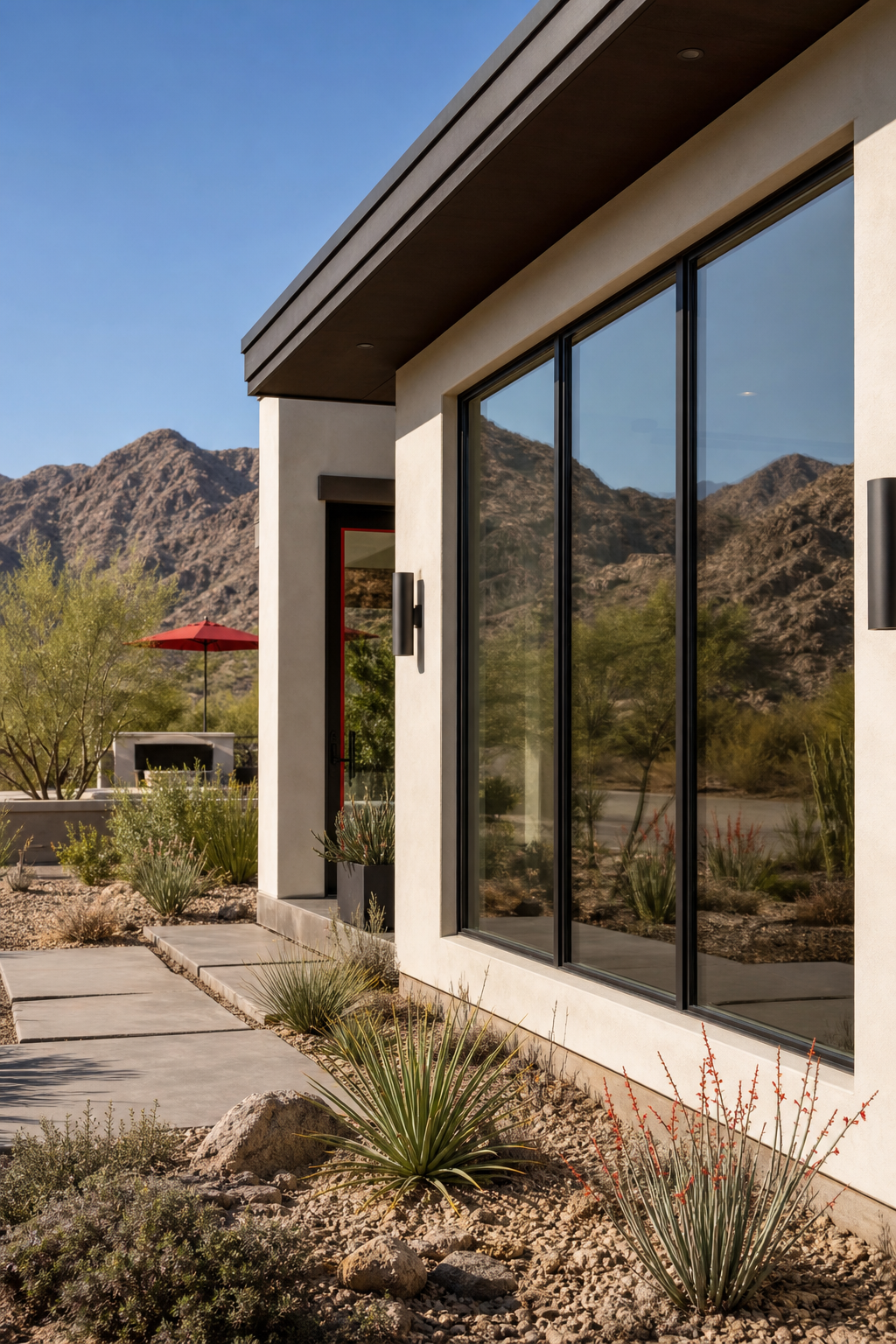
New home builders love to promise lower bills and cozy rooms, but the real secret is the window. A well‑chosen window can cut heating and cooling costs by double‑digits while keeping the view clear. In this article we’ll walk through several solid picks, show what to check when you buy, and give you quick tips to get the most out of each product.
Table of Contents
- 1. Triple‑Pane Low‑E Vinyl Windows , Ultimate Insulation
- 2. Fiberglass Frame Energy Star Windows , Long‑Lasting Durability
- 3. Wood‑Clad Aluminum Windows , Classic Look, Modern Efficiency
- 4. Smart‑Tint Electrochromic Windows , Adaptive Light Control
- 5. What to Look For When Choosing Energy Efficient Windows
- FAQ
- Conclusion
1. Triple‑Pane Low‑E Vinyl Windows , Ultimate Insulation
Triple‑pane vinyl windows stack three layers of glass with a low‑emissivity coating on the inner surface. The coating reflects heat back into the room during winter and pushes solar heat outside in summer. Because the glass panes are spaced apart, the air (or inert gas) trapped between them acts like a thin blanket.
Why it matters for a new home in Arizona: the desert climate swings from hot days to chilly nights. A triple‑pane unit keeps the heat from leaking in when the sun is high and stops it from escaping after sunset. Homeowners report more stable indoor temps and less reliance on the HVAC system.
Pros
- U‑factor as low as 0.20, which is excellent for hot‑dry zones.
- Low‑E coating cuts UV fading of furniture.
- Vinyl frames need little paint or upkeep.
Cons
- Higher upfront cost than double‑pane.
- Heavier, so the opening must be sized for the weight.
When you pair these windows with proper sealing, the air‑leak rate drops dramatically. In a recent field study, homes that installed triple‑pane low‑E vinyl saw a 13% drop in annual energy bills.
13%average energy bill reduction
Installation tips: make sure the rough opening matches the window’s exact dimensions, and use a foam sealant that meets ASTM standards. A tight fit prevents drafts that would otherwise undo the efficiency gains.
Key Takeaway: Triple‑pane low‑E vinyl gives the best mix of heat control and low maintenance for new builds.
2. Fiberglass Frame Energy Star Windows , Long‑Lasting Durability
Fiberglass frames hold their shape in extreme heat and cold. Unlike wood, they won’t warp when the desert sun heats the exterior. The material also resists corrosion, which is handy in dusty, dry climates.
Energy Star certification guarantees that the window meets strict U‑factor and SHGC (solar heat gain coefficient) limits set by the U.S. Environmental Protection Agency. The certification process tests the whole unit, not just the glass, so you get confidence that the frame and spacer work together.
Here’s a quick look at the performance numbers you’ll find on an Energy Star label:
- U‑factor under 0.30 for most climate zones.
- SHGC below 0.35 for hot zones.
- Air leakage under 0.3 cfm/ft² at 75 Pa pressure.
These numbers come from the official U.S. Department of Energy guide to energy efficient windows. The guide also explains how the NFRC label works, which you’ll see on the product’s packaging.
Usable tip: ask the installer to pull a blower‑door test after the windows are in place. The test will show if any air leaks remain around the frames.
Because fiberglass is strong, you can use larger glass spans without adding extra support. That means fewer mullions and a cleaner look for modern homes.
Our own team at Prescott Window and Door often recommends fiberglass for homes that need a blend of durability and energy performance.
Pro Tip: Choose a low‑E coating that matches your climate , a “solar‑control” low‑E for hot zones, and a “passive‑solar” low‑E for cooler spots.
3. Wood‑Clad Aluminum Windows , Classic Look, Modern Efficiency
Wood‑clad aluminum windows give you the warm feel of wood on the interior and the weather‑proof strength of aluminum on the outside. The aluminum skin protects the wood from rain, wind, and UV, so you skip the repaint schedule.
From an energy standpoint, the key is the insulated glass unit (IGU) inside. Most manufacturers pair these frames with double‑pane low‑E glass, which brings the U‑factor down to the 0.30‑0.35 range , solid for mixed‑climate regions.
Why builders love them: the wood interior can be stained or painted to match any interior style, while the aluminum exterior comes in a palette of colors that resist fading.
Installation note: because the frame is two‑part, make sure the exterior aluminum skin is properly aligned with the interior wood. Misalignment can cause gaps that let air sneak in.
Our crew often installs these windows in historic‑style homes where the curb appeal matters as much as the energy bill.
“We love how the wood feels inside but we never have to worry about rot outside,” says a local builder who chose this option for a new subdivision.
Ready to lower your bills? Try Prescott Window and Door free →
Bottom line: wood‑clad aluminum gives a timeless look with modern performance, perfect for homes that want both charm and savings.
4. Smart‑Tint Electrochromic Windows , Adaptive Light Control
Electrochromic glass changes its tint when you apply a small voltage. The glass can go from clear to dark in a few minutes, letting you control glare and solar heat without blinds.
How it works: a thin film of tungsten oxide sits between the panes. When voltage is applied, lithium ions move, changing the film’s color. Remove the voltage and the ions return, making the glass clear again.
Homeowners in places with big temperature swings, think of Prescott’s hot summers and chilly winters, find this tech handy. In summer the glass darkens, cutting down on cooling load. In winter it stays clear, letting the sun warm the interior.
According to Wikipedia’s entry on electrochromism, the technology can reduce cooling energy use by up to 30% in sunny climates.
Installation is similar to a standard double‑pane unit, but you’ll need a low‑voltage power supply and a control panel. Many smart‑home systems can integrate the panel so the glass reacts automatically to sunlight sensors.
Maintenance tip: keep the edges sealed tightly. Over time, the electrolyte gel can dry out, which reduces tinting speed. Cost is higher than static low‑E glass, but the energy savings and convenience often pay off in 5, 10 years, especially for large glass walls.
Takeaway: electrochromic windows add dynamic control for homes that face the sun a lot, and they blend well with modern automations.
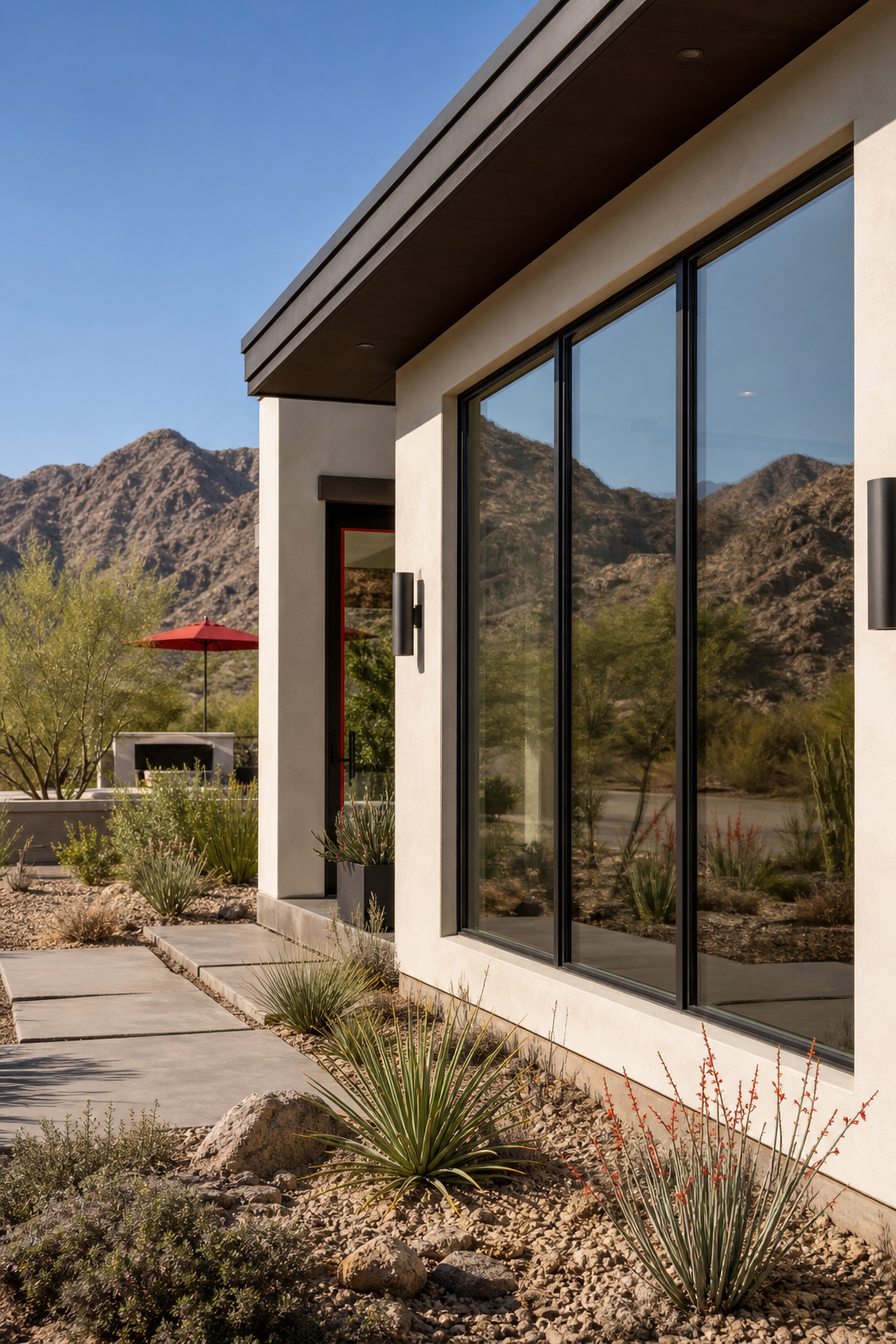
5. What to Look For When Choosing Energy Efficient Windows
Choosing the right window means looking at more than just the price tag. Below are the key performance metrics you should compare.
U‑Factor
The U‑factor measures how well a window keeps heat from escaping. Lower numbers mean better insulation. For hot‑dry climates like Prescott, aim for a U‑factor below 0.30.
Solar Heat Gain Coefficient (SHGC)
SHGC tells you how much solar heat passes through the glass. A low SHGC (<0.35) helps keep cooling costs down in summer. In colder zones you might pick a slightly higher SHGC to let the sun warm the house.
Air Leakage
Even a well‑designed window can leak air if it’s not installed right. Look for a rating under 0.3 cfm/ft² at 75 Pa pressure.
Glass Fill Gas
Argon or krypton gas between panes improves performance. Krypton gives better insulation but costs more.
Coatings
Low‑E coatings reflect infrared heat while letting visible light in. Some coatings are tuned for summer, others for winter.
When you compare products, pull up the NFRC label, this is the official rating you’ll see on ENERGY STAR qualified windows. The label shows U‑factor, SHGC, and air leakage all in one place.
Our own experience in Prescott shows that combining a low‑U‑factor frame (fiberglass or wood‑clad) with a double‑pane low‑E glass and argon fill gives a balanced package for most new builds.
Finally, verify that your installer holds a valid Arizona CR‑61 contractor license. It’s the only license that guarantees they meet state construction standards. Prescott Window and Door lists its CR‑61 license on the company site, giving you peace of mind.
Takeaway: match the window’s performance numbers to your climate, check the installer’s credentials, and don’t forget the small upgrades like films that can add extra savings.
FAQ
What is the difference between low‑E and electrochromic glass?
Low‑E glass has a permanent metallic coating that reflects infrared heat. It works all the time and does not change. Electrochromic glass can shift its tint when a low voltage is applied, letting you darken or clear the glass on demand. Low‑E is cheaper and easier to install, while electrochromic offers dynamic control and can save more energy in homes with big sun exposure.
How much can I expect to save on my energy bill with ENERGY STAR windows?
Studies from the U.S. Environmental Protection Agency show that replacing single‑pane windows with ENERGY STAR certified units can lower heating and cooling costs by up to 13% per year. Savings vary by climate, house size, and how well the windows are installed.
Can window films be applied to any window type?
Most films work on both double‑pane and single‑pane windows, but the best results come when the glass is clean and flat. Curved or textured glass may cause bubbles. A professional applicator can assess whether your windows are a good fit.
Is a higher SHGC ever useful?
In colder climates, a higher SHGC lets more solar heat enter the home, which can reduce heating needs. For a home that gets a lot of winter sun, choosing a window with an SHGC around 0.45 can be beneficial, but in hot Arizona you’ll want a lower SHGC to keep cooling loads down.
What warranty should I look for?
Most reputable manufacturers offer a 20‑year limited warranty on the glass and a 10‑year warranty on the frame. Look for warranties that cover seal failure, glass breakage, and coating degradation. A strong warranty signals confidence in the product’s durability.
Do I need a building permit to replace windows?
In Prescott, Arizona, window replacements that affect the building envelope usually require a permit. Your installer should handle the paperwork, but it’s good to confirm that the work complies with local code and that the contractor holds a CR‑61 license.
How do I know which orientation needs the lowest SHGC?
South‑facing windows get the most sun in the winter, so a moderate SHGC can help collect heat. East and West windows get harsh afternoon sun, so a low SHGC or shading devices work best there. North windows receive the least direct sun, so you can prioritize the lowest U‑factor for those.
Conclusion
Choosing the right energy efficient windows for a new home is a mix of science and style. Triple‑pane low‑E vinyl gives top‑tier insulation, fiberglass frames bring strength, wood‑clad aluminum adds classic curb appeal, electrochromic glass offers smart tinting, argon‑filled double‑pane balances cost and performance, and window films let you upgrade existing glass.
Remember to compare U‑factor, SHGC, air leakage, and glass fill. Verify that the installer holds a valid CR‑61 license , we do, and that’s why many Prescott builders trust us.
If you’re ready to pick the best windows for your project, start with a free estimate from Prescott Window and Door. Our team will walk you through the options, match the right performance metrics to your climate, and handle the paperwork so you can focus on building your dream home.